Retaining walls play an important role in creating safe, functional, and visually appealing outdoor spaces. Whether your property is built on a slope or you simply want to improve your landscape design, choosing the right retaining wall can make a significant difference. A well-designed wall helps prevent soil erosion, improves drainage, and creates usable areas in your yard. However, with many materials and styles available, selecting the best option can be challenging. Understanding a few essential factors can help homeowners make a confident and informed decision.
Understand the Purpose of Your Retaining Wall
Before choosing a retaining wall, it is important to identify its primary purpose. Some walls are built mainly to prevent soil movement and support sloped land, while others are designed to enhance the appearance of a garden or outdoor area. Determining whether your wall is intended for structural support, landscaping, or both will help guide your material and design choices.

The size and height of the wall should also match the specific needs of your property. Larger walls often require additional engineering considerations to ensure long-term stability and safety.
Consider the Different Material Options
One of the most important decisions is selecting the right material. Each material offers unique advantages in terms of durability, appearance, and maintenance requirements.
Concrete Sleepers
Concrete sleepers are a popular choice because they are strong, long-lasting, and resistant to termites, rot, and weather damage. They are available in various finishes and colours, making them suitable for both modern and traditional landscapes.
Natural Stone
Natural stone provides a timeless and attractive appearance. It blends beautifully with outdoor environments and offers excellent durability. While stone walls can be more expensive, they often add significant visual appeal and value to a property.
Timber
Timber retaining walls can create a warm and natural look. They are generally more affordable initially, but they may require more maintenance and have a shorter lifespan compared to concrete or stone alternatives.
Brick and Block Walls
Brick and concrete block walls provide a clean and structured appearance. These materials are durable and can complement many home styles while offering excellent strength.
Evaluate Drainage Requirements
Proper drainage is essential for any retaining wall. Water buildup behind a wall can increase pressure and lead to structural failure over time. When planning your project, ensure that adequate drainage systems are included in the design.
Features such as drainage pipes, gravel backfill, and weep holes help direct water away from the wall and reduce pressure. Ignoring drainage considerations can result in costly repairs and reduced wall lifespan.
Match the Design to Your Property
A retaining wall should complement the overall style of your home and landscape. Consider how the colour, texture, and material will blend with existing outdoor features.
Modern homes often pair well with sleek concrete sleeper designs, while traditional properties may benefit from natural stone or brick finishes. Choosing a design that enhances your property's appearance can improve both functionality and curb appeal.
Focus on Durability and Maintenance
Different materials require different levels of maintenance. Homeowners should consider how much time and effort they are willing to invest in ongoing care.
Concrete sleepers generally require minimal maintenance and maintain their appearance for many years. Timber walls may need periodic treatments to protect against moisture, insects, and decay. Natural stone and brick walls typically require occasional inspections to ensure stability and cleanliness.
Selecting a durable material can help reduce long-term maintenance costs and provide greater peace of mind.
Check Local Regulations and Requirements
Retaining wall projects may be subject to local building regulations and council requirements. Depending on the wall's height and location, permits or approvals may be necessary before construction begins.
Understanding these requirements early in the planning process can help avoid delays, fines, or future complications. Professional contractors are often familiar with local regulations and can assist with compliance.
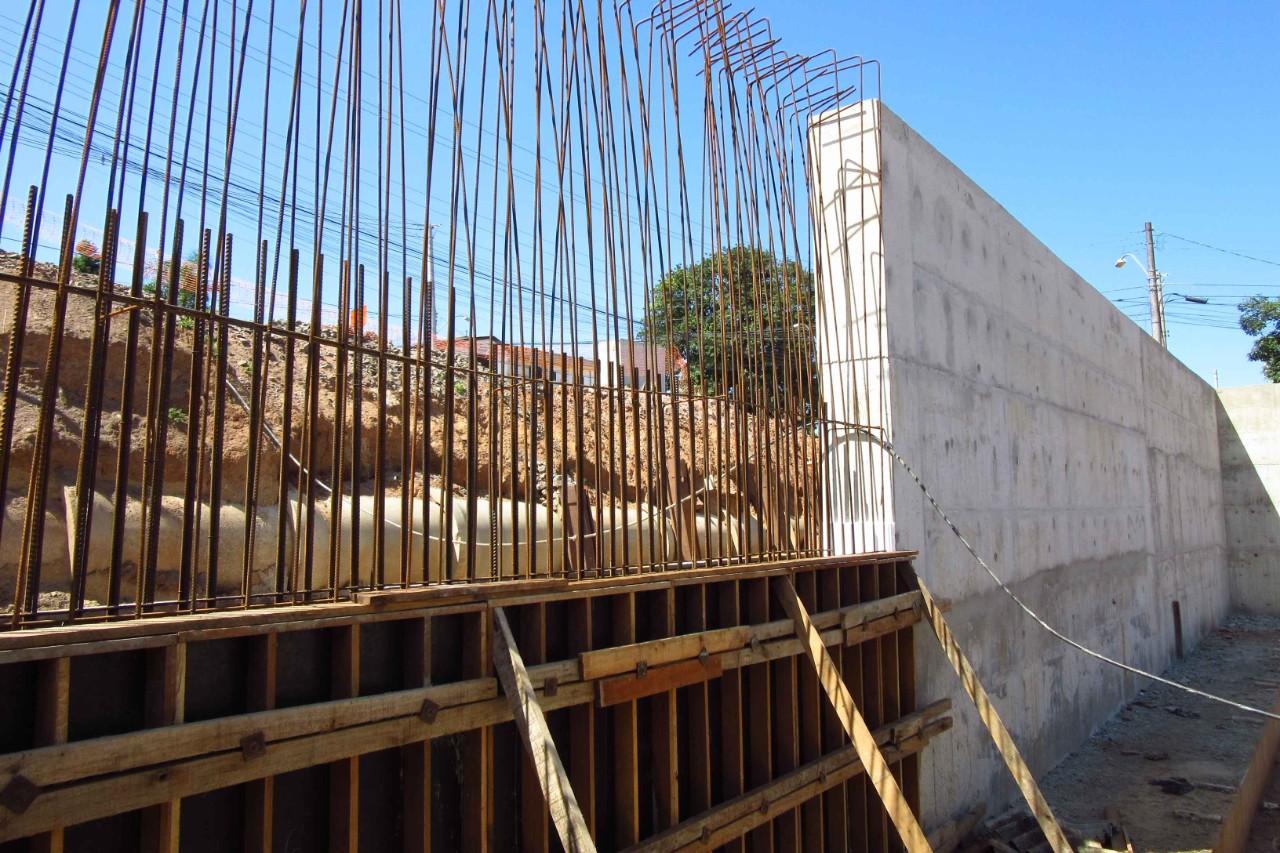
Work with Experienced Professionals
The quality of installation is just as important as the material itself. Even the strongest retaining wall materials can fail if they are not installed correctly.
Working with experienced retaining wall specialists ensures proper site assessment, design planning, drainage installation, and construction. Professional advice can help identify the most suitable solution for your property's specific conditions and prevent costly mistakes.
Many homeowners trust experienced providers such as Retaining Wall Industries to deliver reliable retaining wall solutions tailored to different landscape requirements.
Consider Long-Term Value
While budget is always an important factor, focusing solely on the lowest price may not provide the best long-term outcome. A high-quality retaining wall can last for decades, increase property value, and reduce future maintenance expenses.
Investing in durable materials and professional installation often results in greater savings over time. Consider the wall's expected lifespan, maintenance needs, and overall contribution to your property's appearance and functionality when comparing options.
Final Thoughts
Choosing the right retaining wall solution involves more than simply selecting a material. Homeowners should carefully consider the wall's purpose, drainage requirements, durability, maintenance needs, and overall design. When exploring options for Retaining Walls Adelaide, it is important to evaluate these factors and seek professional guidance when needed to ensure the best outcome for your property.
A well-planned retaining wall not only protects your landscape but also creates a more attractive and usable outdoor environment for years to come.
Comments
Post a Comment