Retaining walls are an essential feature in many residential and commercial landscapes. They provide structural support, help manage soil erosion, create usable outdoor spaces, and enhance the overall appearance of a property. However, the long-term success of a retaining wall depends heavily on choosing the right materials. When planning a Retaining Wall Installation Adelaide project, selecting durable and suitable materials can make the difference between a structure that lasts for decades and one that requires frequent repairs.
Understanding the strengths and limitations of different retaining wall materials is the first step toward achieving a strong, attractive, and long-lasting result.
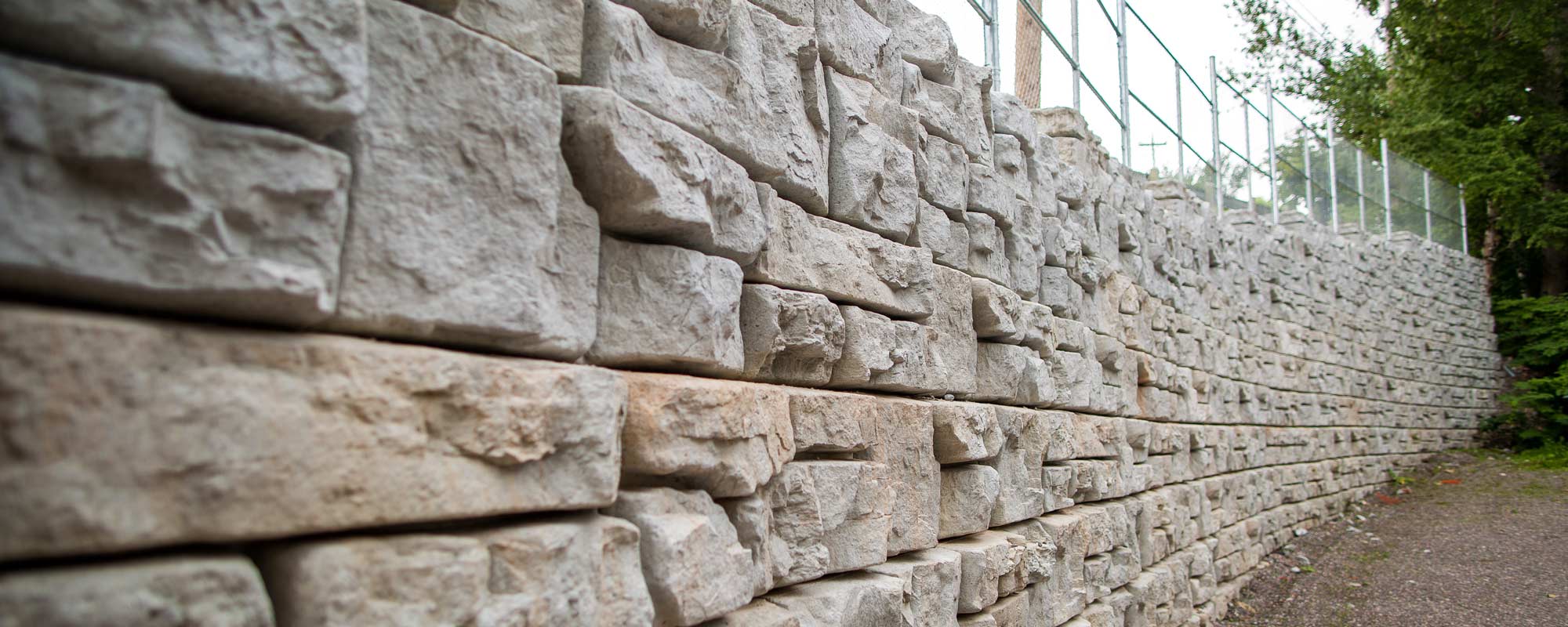
Why Material Selection Matters
A retaining wall is constantly exposed to pressure from the soil it supports. In addition to this pressure, walls must withstand changing weather conditions, moisture, drainage challenges, and natural ground movement. Poor-quality materials or unsuitable choices can lead to cracking, shifting, bowing, or complete wall failure.
The right material should provide durability, structural integrity, and visual appeal while meeting the specific requirements of the site. Factors such as wall height, soil type, drainage conditions, and landscaping goals all play a role in determining the best option.
Concrete Sleepers
Concrete sleepers have become one of the most popular choices for modern retaining walls. They are known for their exceptional strength, low maintenance requirements, and long lifespan.
Unlike timber, concrete sleepers are resistant to termites, rot, and moisture damage. They can withstand harsh environmental conditions while maintaining their structural integrity for many years. Available in a wide variety of colours, textures, and finishes, concrete sleepers can replicate the appearance of natural stone, timber, or other decorative materials.
For property owners seeking a combination of durability and aesthetics, concrete sleepers are often considered one of the most reliable options.
Benefits of Concrete Sleepers
- Excellent structural strength
- Resistant to termites and decay
- Minimal maintenance requirements
- Long service life
- Wide range of decorative designs
Timber Retaining Walls
Timber remains a popular retaining wall material because of its natural appearance and affordability. It blends well with garden landscapes and can create a warm, traditional look.
However, timber walls generally have a shorter lifespan compared to concrete alternatives. Over time, exposure to moisture, insects, and changing weather conditions can cause deterioration. Treated timber can improve durability, but regular inspections and maintenance are often necessary.
Timber can be a suitable option for smaller landscaping projects where budget and appearance are primary considerations.
Advantages of Timber
- Natural aesthetic appeal
- Cost-effective installation
- Easy to work with
- Suitable for smaller retaining walls
Natural Stone Retaining Walls
Natural stone provides a timeless and elegant appearance that enhances many outdoor environments. Stone walls can complement both traditional and contemporary landscaping styles while offering impressive durability.
Because each stone is unique, natural stone walls create a distinctive and visually appealing finish. Properly installed stone retaining walls can last for decades and withstand significant environmental stress.
The main considerations with natural stone are higher material costs and more complex installation requirements. Professional construction is often recommended to ensure stability and long-term performance.
Benefits of Natural Stone
- Premium visual appeal
- Exceptional durability
- Unique natural textures
- Long-lasting performance
Concrete Block Systems
Concrete blocks offer a practical solution for retaining wall construction. Modern block systems are designed for strength, efficiency, and ease of installation.
Many retaining wall blocks feature interlocking designs that improve structural stability while simplifying construction. They are available in various shapes, colours, and finishes, allowing homeowners to create customised landscaping features.
Concrete block systems are commonly used for both residential and commercial projects due to their versatility and reliability.
Advantages of Concrete Blocks
- Strong and durable construction
- Flexible design options
- Suitable for various wall heights
- Relatively easy installation process
Considering Drainage Requirements
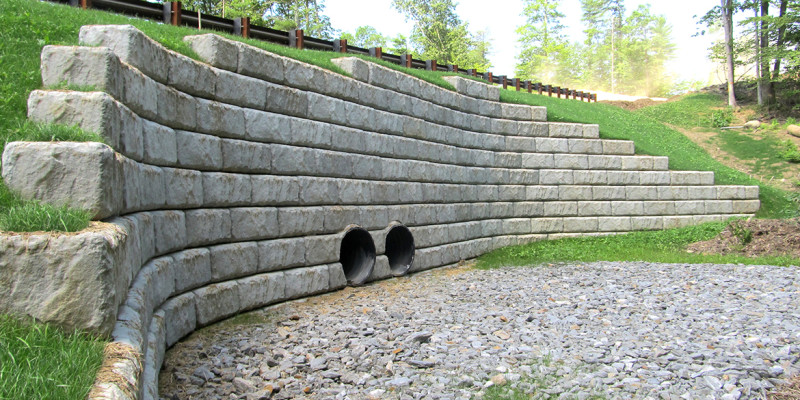
No matter which material is selected, proper drainage is essential for retaining wall performance. Water buildup behind a wall can significantly increase pressure and lead to structural damage over time.
Effective drainage systems may include:
- Agricultural drainage pipes
- Gravel backfill
- Drainage outlets
- Geotextile fabrics
Investing in proper drainage during installation helps protect the wall and extends its lifespan.
Factors to Consider Before Choosing Materials
Before starting a retaining wall project, several important factors should be evaluated:
Site Conditions
Different soil types, slopes, and environmental conditions can affect material performance. A professional assessment helps determine the most suitable option.
Budget
Material costs vary significantly between timber, concrete, stone, and block systems. Balancing durability with budget requirements is important.
Appearance
The retaining wall should complement the property's overall landscape design and architectural style.
Maintenance Expectations
Some materials require ongoing maintenance, while others offer long-term performance with minimal upkeep.
Wall Height
Higher retaining walls generally require stronger materials and engineered designs to ensure stability and compliance with local requirements.
Professional Installation Makes a Difference
Even the highest-quality materials can fail if they are not installed correctly. Proper site preparation, drainage planning, foundation construction, and structural design all contribute to the wall's long-term success.
Experienced professionals understand local conditions and can recommend suitable materials based on the project's unique requirements. Their expertise helps ensure safety, compliance, and lasting performance.
Retaining Wall Industries provides quality retaining wall solutions designed to meet the demands of residential and commercial landscaping projects.
Comments
Post a Comment